

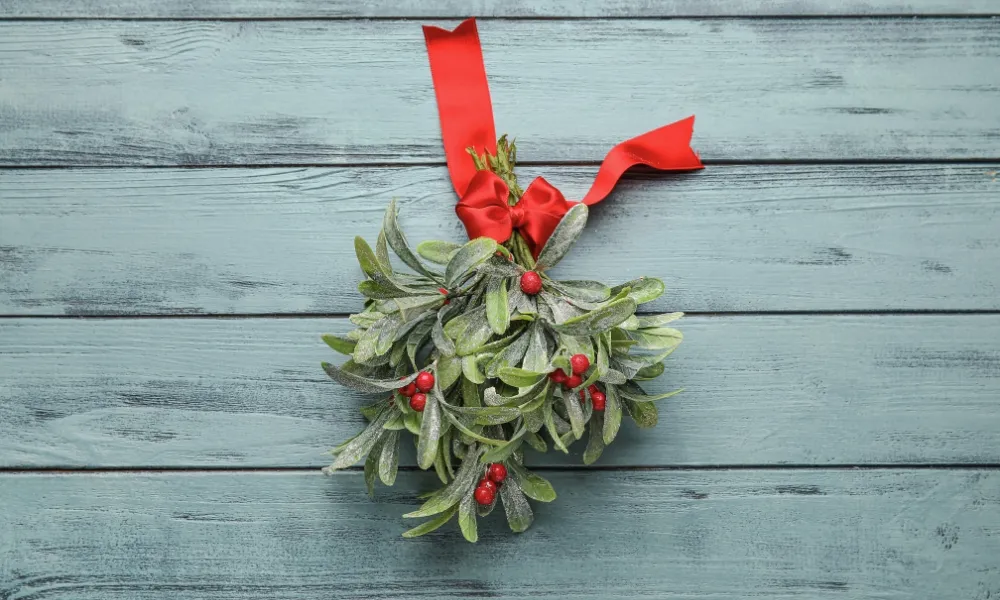
Mistletoe is one of the many well loved Christmas plants along with Holly, Poinsettia and Christmas Cactus (Shlumbergera). Its history is a long one reaching right back to pagan times when it was harvested for protection and to ward off evil winds during the winter solstice. We now of course associate it with playful kisses at Christmas gatherings. This practice no doubt comes from Norse mythology where the goddess Frigg made it a symbol of love after her son Baldur was killed with a Mistletoe dart, she promised to kiss anyone who passed under the plant and so our Christmas custom began.
It is a rare sight growing naturally here with the plants that we do have usually found in old estates this is because the cultivation of it was only popularised in the 1840's when Archbishop Richard Whately decided to grow it in the National Botanic Gardens, this started a fashion trend and many estates around Ireland followed suit. If you would like to try a hand at it yourself the following is a quick low down on what you will need.
Timing is important with mistletoe and so you need to be planting it around February or March for its best chance.
Mistletoe is a hemiparasitic which means it steals most of its food from its host plant but it does produce a small amount for itself. To grow it you will need a well established host plant, it must be well established as a young weak plant would not be able to sustain it. Apple and Hawthorn trees are most frequently used here but Lime trees can also be used.
You then need fresh berries, ones from old Christmas decorations are too old. You can find fresh berries in the likes of Phoenix Park in Dublin or The Botanic gardens but it's important to ask before you take them.
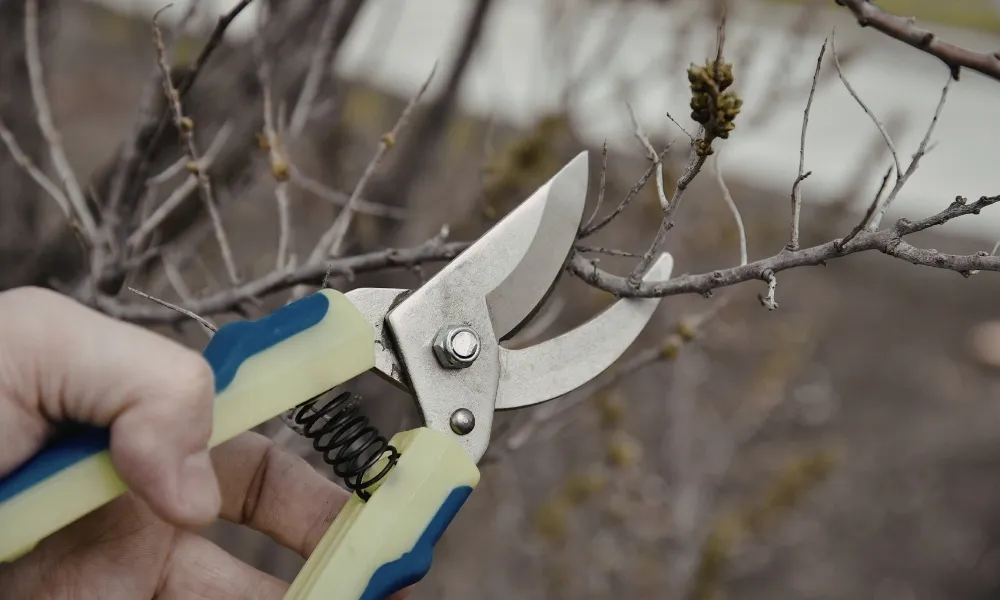
Once you have your berries you need to squeeze the seeds out gently along with the sticky juice. Pick a good branch to put them on. Light is very important so you will need to place them on a high up branch. The branch you choose should be young, healthy and around 5-10cm or so thick. You can then with a sharp knife (we have an assortment of excellent knives in store such as the Burgon and Ball Lambfoot Knife) make a small slit in the bark to create a flap or a pocket. Push the Mistletoe seeds under the flap and then cover with a little hessian to prevent the birds from eating them. You can also smear the seeds directly over the bark but this method will take longer and is less successful.
Next comes patience. Although very quick to germinate, Mistletoe is very slow growing and you may be waiting a few years for it to produce any substantial growth. Once it does start to grow well you will need to trim it back yearly so that it doesn't overwhelm its host tree.
So if you have a perfect host tree you should try your hand at Mistletoe growing, you might not have it for next year's decorations but when it does finally establish itself it will be all the more satisfying to share a kiss under your own Mistletoe!